Analysis: The Election
Weston Today photos
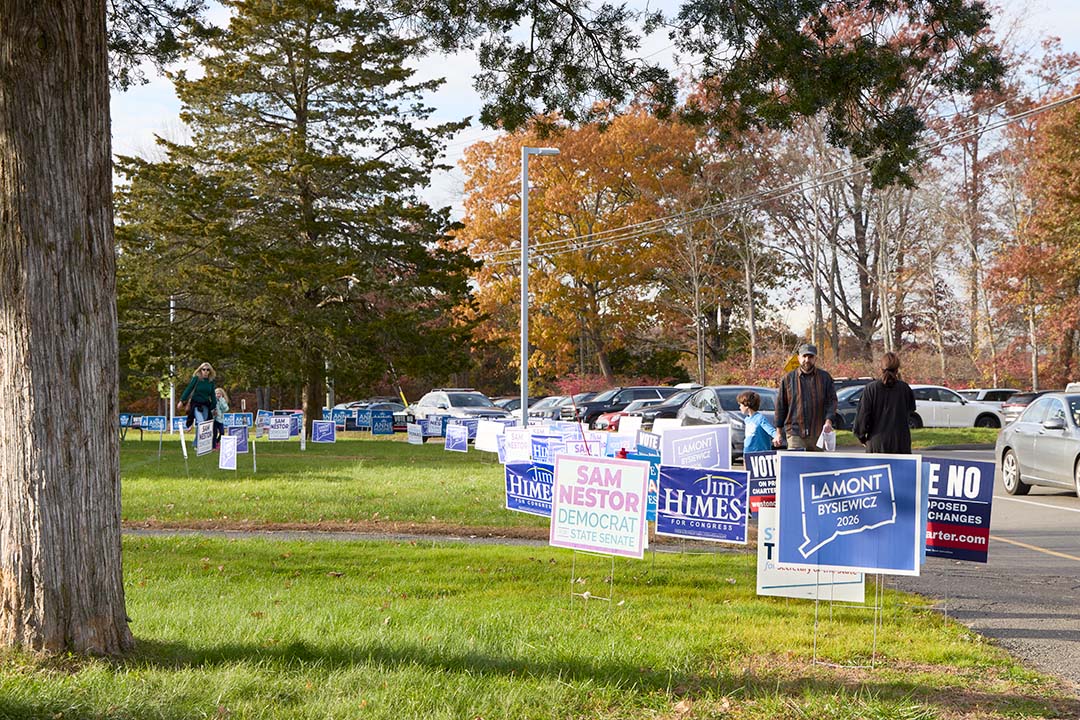
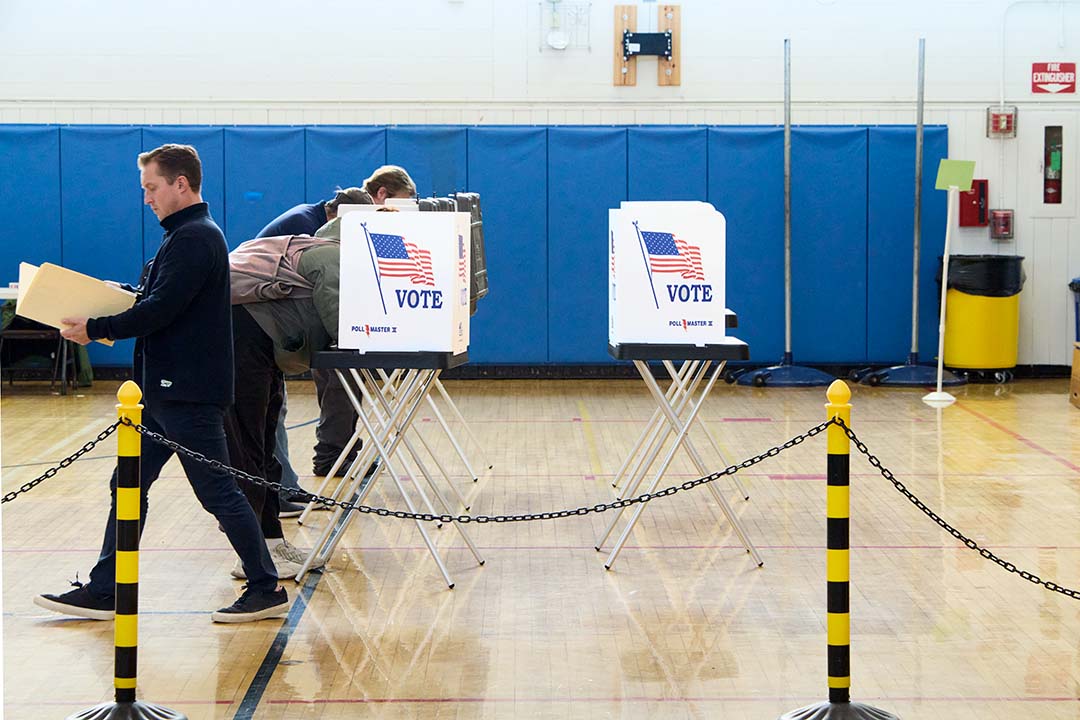
By now everyone knows Tuesday’s election was a bluebath nationwide. It was also one in Connecticut, where Republican seats in the General Assembly — especially in the State Senate — reduced to a fraction.
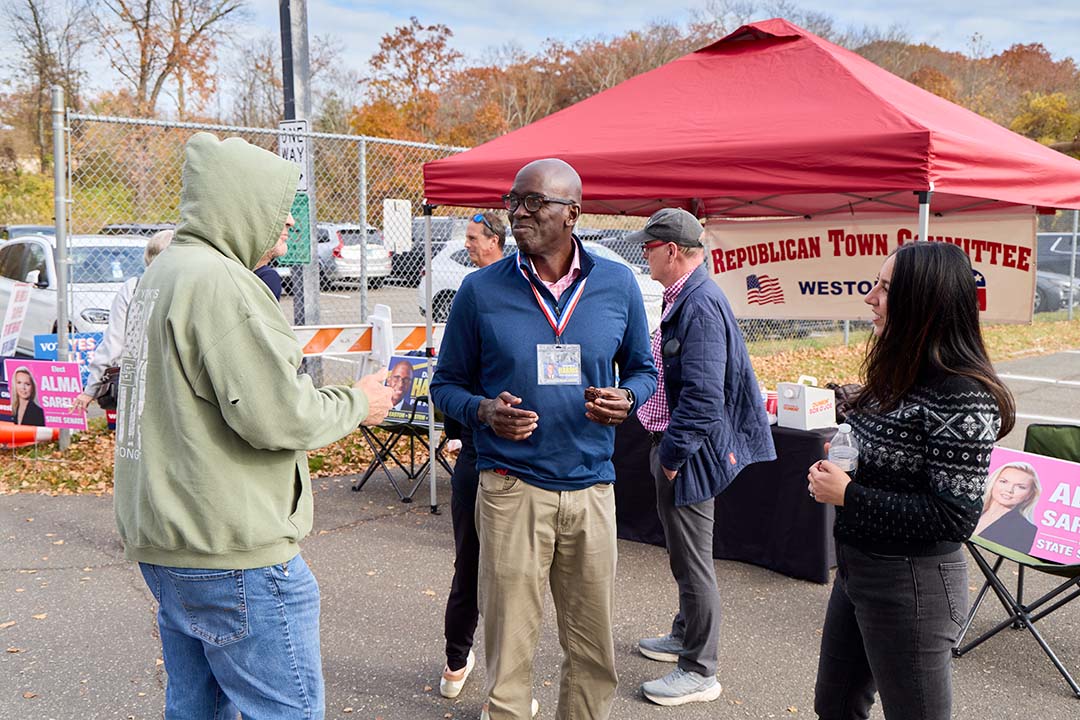
Locally, First Selectwoman Samantha Nestor was elected to the State Senate with over 65 percent of the vote, winning every town in the 26th district. Her largest margin — just over 70 percent — came in Westport, her opponent’s hometown.

“Thank you for believing in me and thank you for embracing our campaign’s spirit of authenticity and enthusiasm,” said Ms. Nestor in a statement. “With this win, we showed that you can bring joy, civility, and community back to politics, while also focusing on the tough issues we have to solve.”
An FAQ to our office this week has been whether the Senator-elect can still serve as Weston’s first selectwoman. The answer is yes.
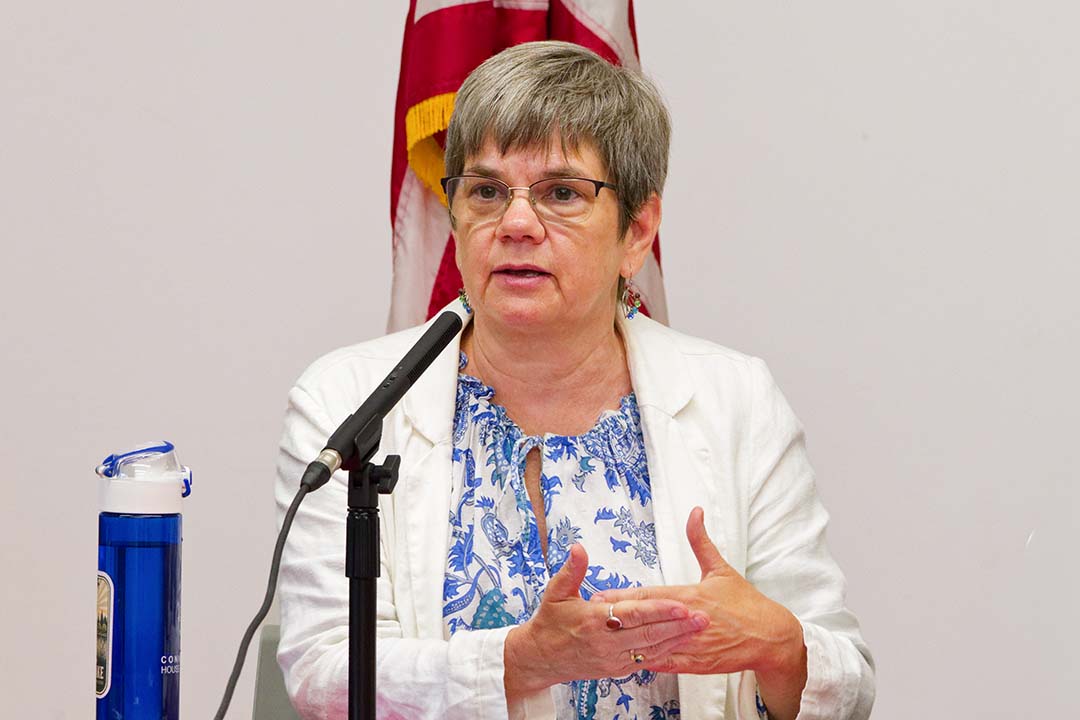
State Rep. Anne Hughes was reelected with over 57 percent despite a self-inflicted October surprise, a misdemeanor summons for stealing her opponent’s lawn signs. The story broke just as early voting was ending.
Did that indiscretion cost votes? Maybe. In Weston’s early and absentee voting Ms. Hughes had 2½ times the votes for her opponent. But the two virtually tied for the greater number of ballots cast in Weston on Election Day.
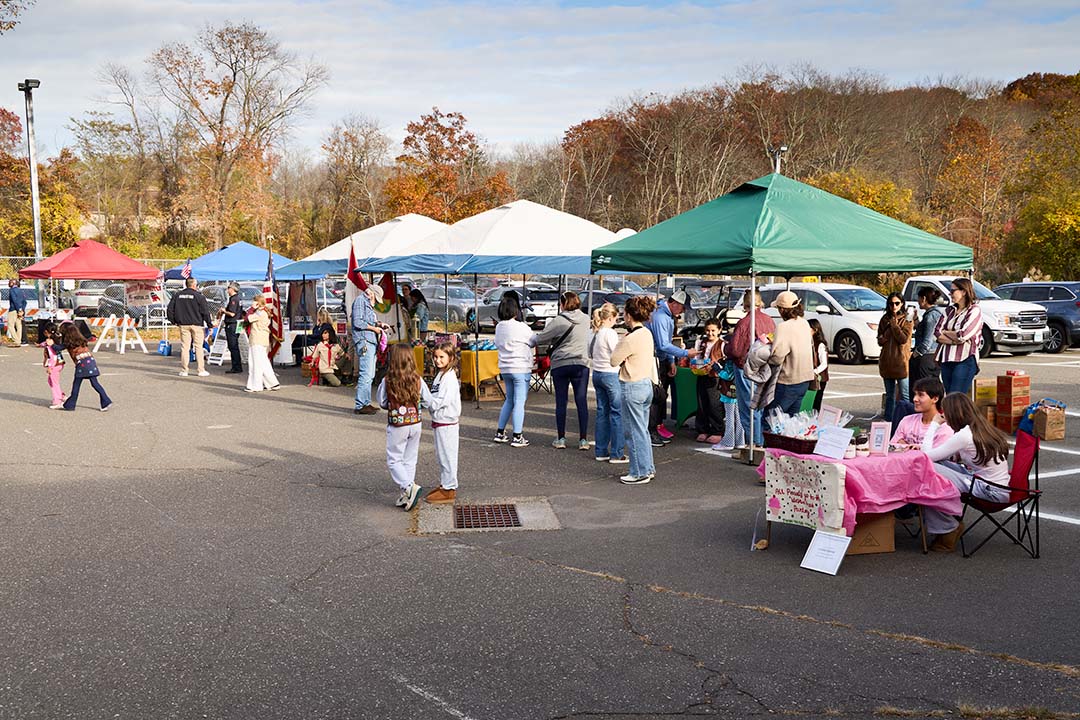
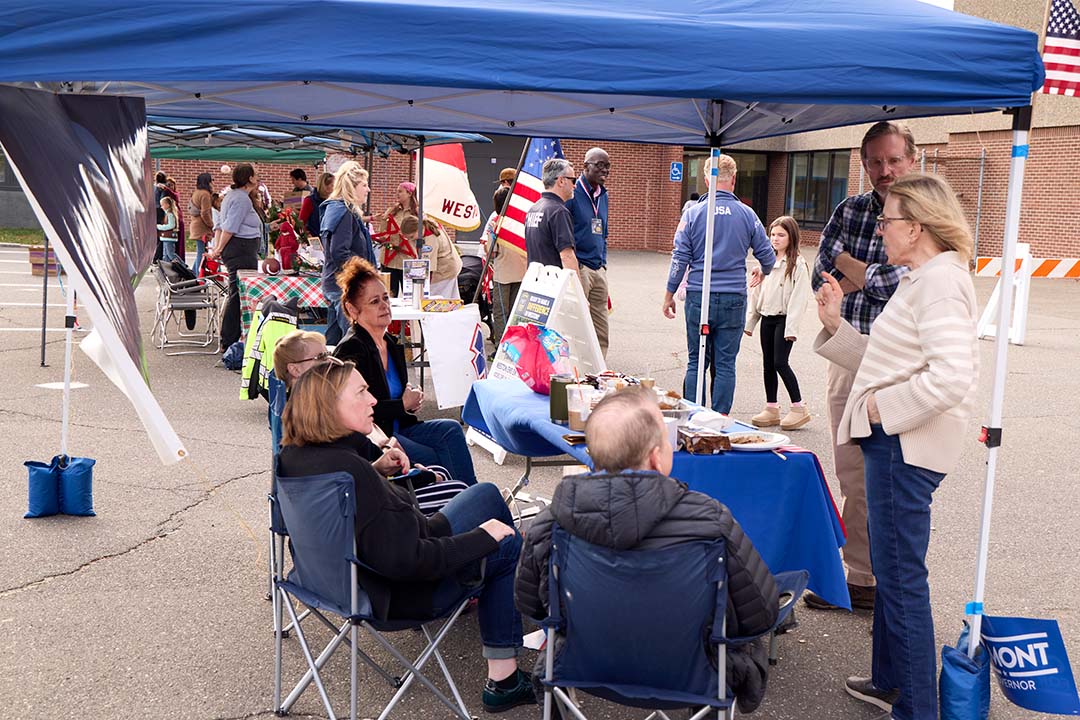
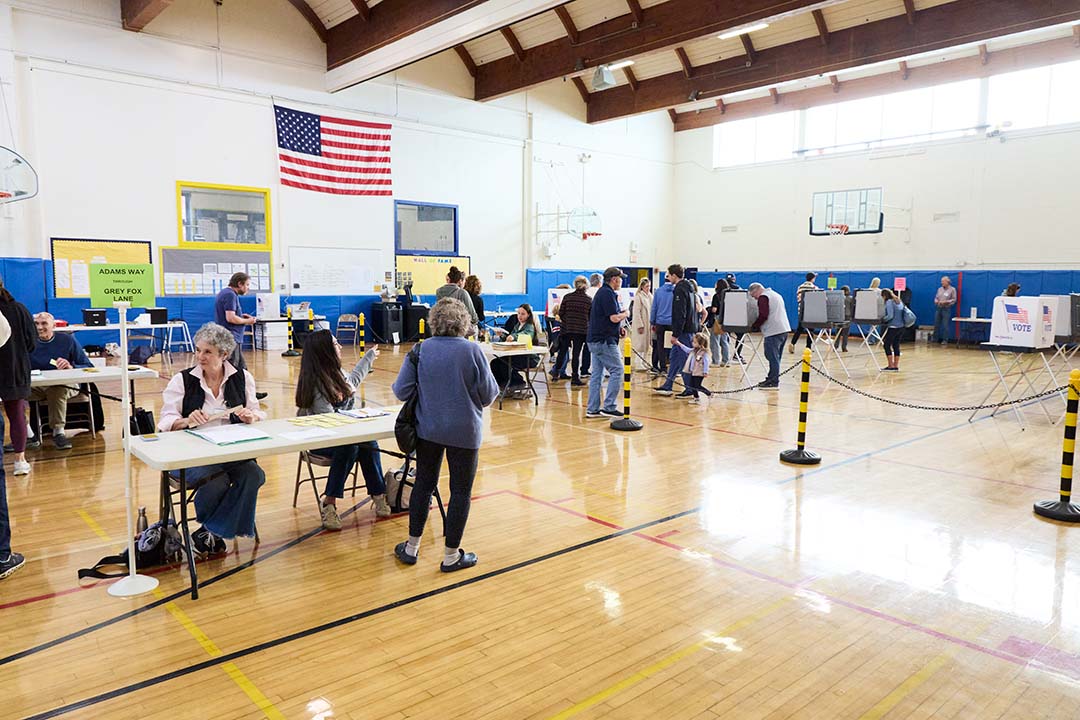
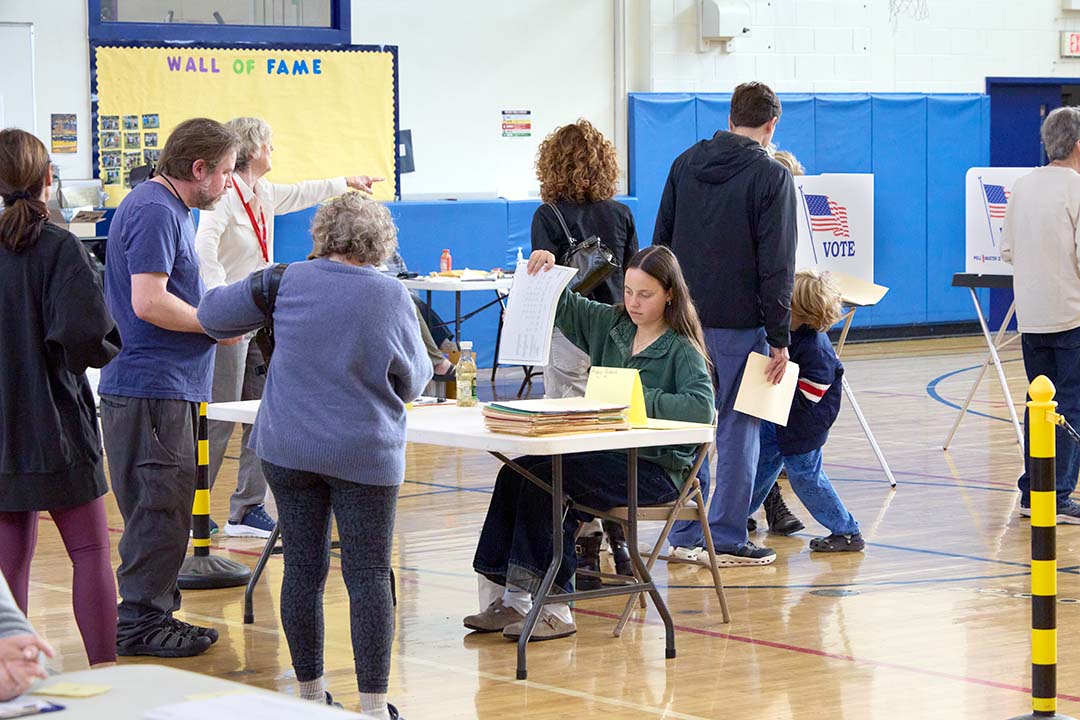
Also winning in the election: the Girl Scouts, who report record cookie sales at the polls.
Not winning, and not even close: proposed revisions to Weston’s Town Charter, which hit an iceberg, and you know what happens after that. More in a second.
Capitol items
When the Legislature convenes in January, if Republicans were the only ones to show up under the gold dome, the chamber would have a distinct echo.
The election turned the Democratic supermajority into a megamajority, if there is such a word. Of 151 seats in the House of Representatives, only 35 will be filled by Republicans. In the 36-member Senate, only three will be Republican.
The odds of Republicans making a dent in the Democratic majority, or at least holding their own, were not improved when the party left 37 Democratic seats uncontested.
Charter unrevised
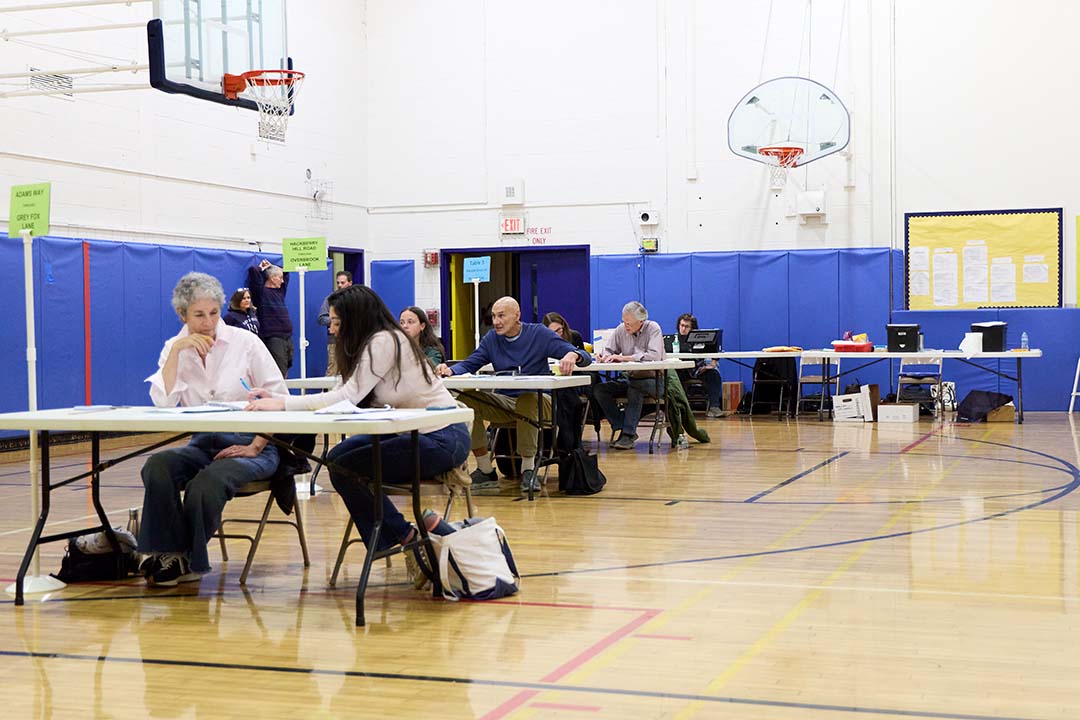
The first count reported on Tuesday evening was only for ballots cast that day, and when it came to the Charter questions it was immediately clear there were no survivors.
In the end, it was about 60 percent against changing the limit on party representation and eliminating ATBM votes to cut budgets. The third question, mostly a cleanup, still contained provisions objectionable enough to about 54 percent of voters that they gave it a thumbs-down.
The upshot is that a political party is still limited to a bare majority on Town boards. Putting aside the electoral implications, in terms of the normal course of official business about all this means is that if there were party-line votes, a minority party would lose 4-3 instead of 5-2.
But there aren’t many party-line votes, except lately on the Board of Selectmen and occasionally on the Board of Finance. One can choose to attribute this either to partisan gamesmanship or to simple differences of philosophy. Either way, for most of the Town’s many boards, commissions and committees, party-line votes are almost unheard of.
The Annual Town Budget Meeting show will go on. Those concerned that a group of budget opponents could organize and make irresponsible cuts will have to show up and try to outvote them.