
BOE Capital Ask Up, HVAC Delayed
Weston Today photo
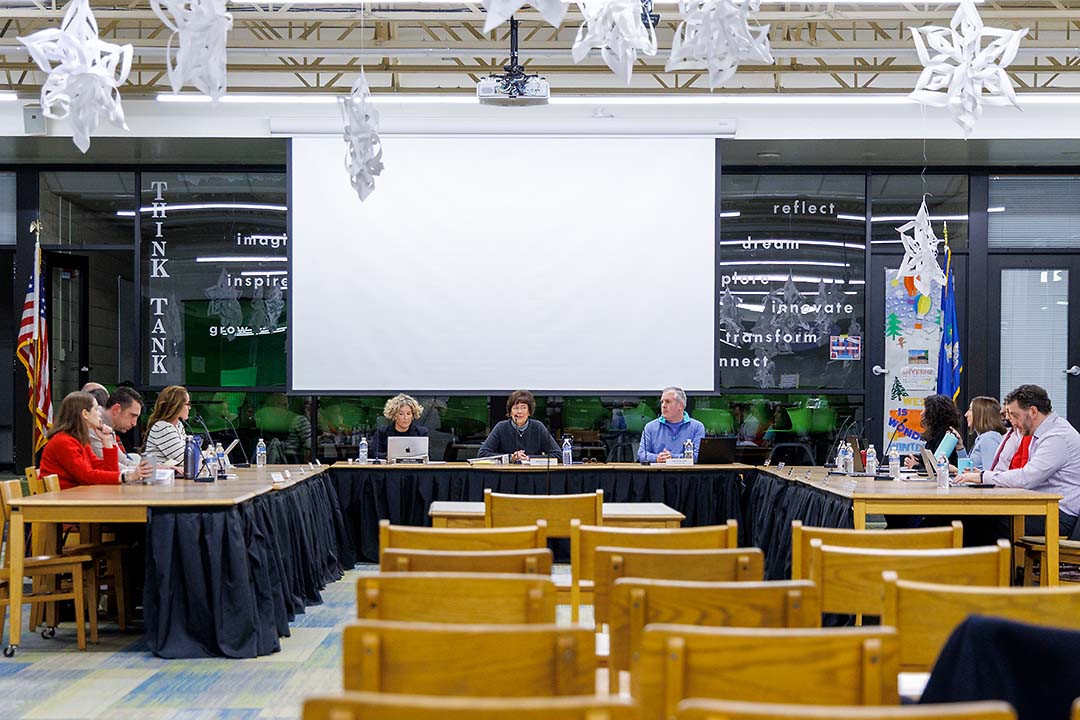
The Weston Board of Education unanimously approved budget requests on Tuesday evening, including a $2.4 million increase for operating costs and a total of just over $4.7 million for capital expenditures.
The capital ask is $2.1 million higher than presented just three weeks ago due to a late entry: replacement of HVAC systems at Hurlbutt Elementary’s North House.
Only recently, the long-deferred project appeared to be on track for completion this summer, and without an allocation in this year’s budget. That changed when a grant opportunity arose. More on that in a second.
The school district operating budget request rises 3.91 percent to a total of $63,490,638. The increase is almost entirely due to salary hikes and ever-growing health insurance costs.
Combined, Board of Education chair Deborah Low said, salaries and benefits represent 80 percent of operating costs.
The budget shows contractual salaries increasing by over $1.4 million and health benefits rising by more than $1.2 million, up 15 percent. “The rest of the budget,” said Ms. Low, “remained flat or contained reductions,” including costs for special education and energy.
Saving money, losing time
The school district added the $2.4 million North House project to its capital request when it became known the project could qualify for State reimbursement up to roughly 22 percent. That would take about half a million dollars out of the direct impact on Weston taxpayers.
The opportunity required a course change. Just this month, the boards of Selectmen and Finance approved a $600,000 supplemental appropriation to get the ball rolling for North House. Decisions about funding the remaining $1.8 million were left to another day.
However, as district finance director Phillip Cross advised the Board of Education, grant program rules require a referendum vote to approve the project and, apparently, its total cost, not the net after reimbursement. This is why the project, in full, is now in the district’s capital budget request.
The course change probably moots the previous $600,000 appropriation, as the grant terms appear to exclude projects where money has already been spent. (None of the supplemental has been spent, and a sequencing error meant another Board of Finance vote would have been needed anyway.)
The downside of the grant opportunity is that the project will be delayed yet another year. Weston’s budget referendum is held in May. Approved funds are not available until the fiscal year begins in July. Mr. Cross said this means money would not be authorized in time for work to be done this summer.
Big numbers
Even standing alone, the school board’s $4.7 million capital request leaps above Weston’s typical big-ticket spend, and doesn’t include whatever amount the Town is about to request.
The First Selectwoman’s budget recommendation will be presented next Thursday. In late February, the selectmen will vote a Town operating budget to submit to the Board of Finance, along with a capital budget that combines Town and school district items they are willing to propose.
An unusually large capital budget (perhaps not unusually large for long) may prompt discussion of funding options other than the tax levy.
As it happens, the Board of Finance already has bonding decisions to make by July, when previously issued bond anticipation notes (BANs) come due and must be converted into longer-term debt instruments.
These short-term notes funded Weston’s two-year rapid road improvement program. A debt repackaging could possibly fold in some capital expenditures. Bonding decisions are also subject to voter approval.
More big numbers?
With increasing frequency, Town and school district officials warn that big capital budgets, on the order of $5 million or so annually, may be the shape of things to come.
On the school campus alone, the district administration foresees $33 million needed over the next ten years — not including at Weston Middle School — just to catch up on issues identified years ago but put off just as long.
“These are self inflicted wounds,” said Board of Education member Peter Gordon.